People often think about their health only when something starts bothering them. The symptoms may include back stiffness that will not go away, chronic fatigue, lack of quality sleep, or the person just not having the same level of energy as before. It might happen that even though some minor adjustments were made, the body needs further assistance.
This is where the types of naturopathy therapies come into the picture. Treatments are indeed many, and all do not operate in the same way. There are those that make use of water, others use natural oils, and there are some that target food, movement, or relaxation of the body.
It will be easy to understand this if we know how these treatments work. So, here is a closer look at the different therapies offered at wellness centres and what they are generally used for.
Naturopathy isn't limited to one particular treatment. It brings together several approaches that look at different aspects of health. A person dealing with joint stiffness may need something quite different from someone who wants to work on their eating habits or reduce everyday stress.
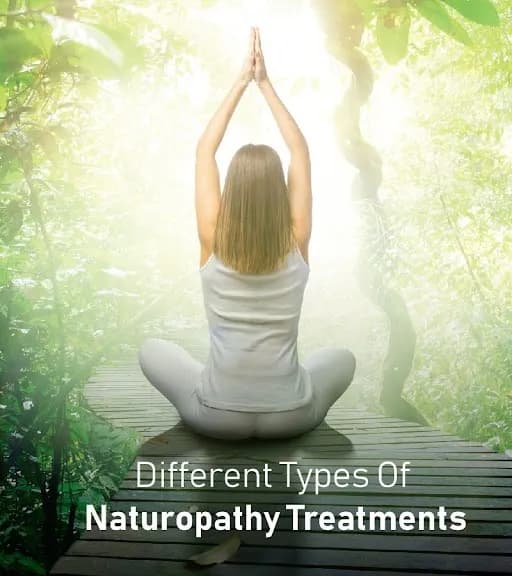
The different types of naturopathy therapies include acupuncture, hydrotherapy, massage, diet therapy, and several other practices. Some are mainly focused on physical comfort, while others are more about relaxation and everyday wellness.
There is no reason to assume that everyone needs the same combination. The choice usually depends on the person's health, comfort, and what they are hoping to address.
Acupuncture may sound a little unusual to someone who has never tried it. It comes from traditional Chinese medicine and involves placing very fine needles at selected points on the body. It is commonly used as a complementary approach to managing certain types of pain.
The benefits of acupuncture therapy may include relief from some pain conditions and support for relaxation. The results are not the same for everyone, and the procedure should always be performed by a trained professional.
Aromatherapy is a much gentler experience. It uses essential oils obtained from plants, often through inhalation or diluted application. Certain fragrances, such as lavender, are commonly used to create a peaceful atmosphere. It is a simple addition to wellness routines, especially for people who enjoy calming scents.
Food is something the body deals with every single day, so naturally, it has an important place in any wellness routine. Diet therapy looks at eating habits and nutritional needs rather than suggesting that everyone follow the same food plan.
At VSR Vriksha, we pay attention to the role of food in natural care. Meals are planned as part of a wider routine, keeping individual wellness requirements in mind.
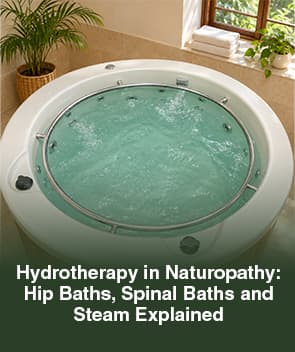
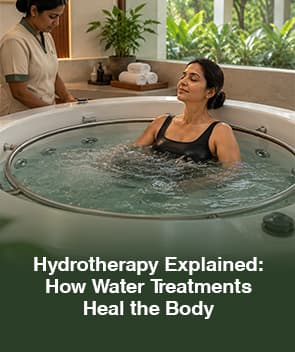
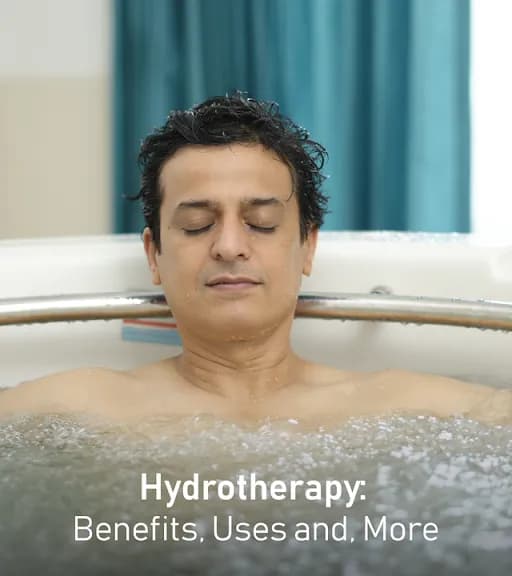
Hydrotherapy uses water as part of different treatments. This may involve baths and other water-based applications. Depending on the method, it can help relax the body and ease muscle tension. These are some of the natural therapies for wellness that people consider when looking beyond their usual daily health routines.
A tired body can sometimes feel much better after a good massage. Massage therapy is a process of manipulating the muscles and other soft tissues in order to relieve any sort of tension and make the body comfortable. People who suffer from physical tension due to prolonged work can use massage therapy.
On the other hand, physiotherapy deals with motion. Physiotherapy assists people in strengthening, stretching and gaining mobility and balance. A person who has been injured might require physiotherapy to regain their routine activities.
Looking at alternative healing therapies can provide additional avenues for supporting long-term health and overall well-being. Additionally, understanding natural healing therapies offers individuals gentle, restorative paths to wellness alongside modern health practices.
Both treatments have different purposes. The right approach depends on what the body needs, rather than simply choosing the treatment that sounds more relaxing.
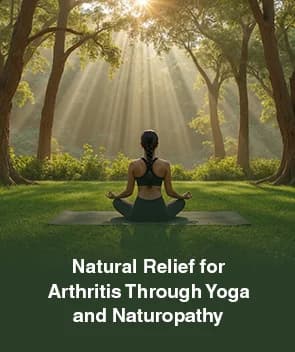
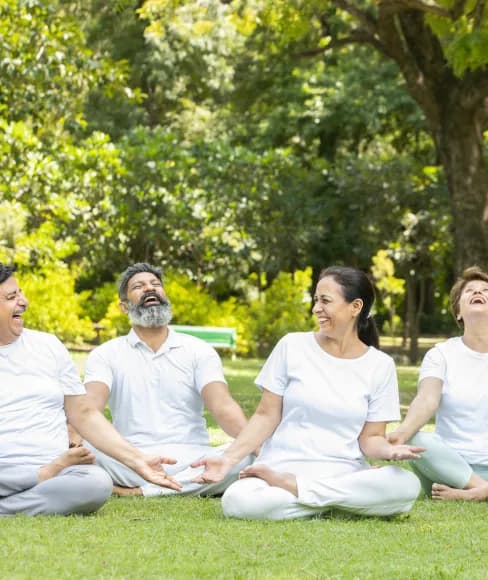
People relate yoga to difficult postures, but this is only half of what yoga actually entails. Yoga not only comprises difficult postures but also simple stretching, breathing, and moving exercises. These exercises will make people comfortable with movement and enhance their flexibility.
The benefits of yoga therapy may include better balance, improved mobility, and support with stress management. Exercise therapy also uses planned movements, although the exercises are selected according to a person's physical condition.
At VSR Vriksha, we include yoga and supervised exercise in our wellness programmes, with attention to individual comfort and ability.
Heliotherapy, or sun therapy, includes exposure to the rays of the sun in a controlled manner. This may assist in the production of vitamin D by the body and is used in some skin care treatment methods. Overexposure to sunlight, on the other hand, may harm the skin.
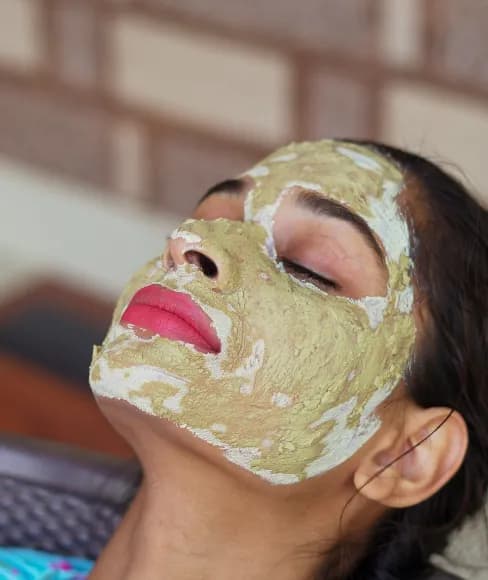
Skin therapy focuses on caring for the skin through suitable treatments. Magnet and colour therapy are other approaches offered in some wellness settings. While people may look at them as complementary practices, their claimed healing effects are not well established scientifically. They should never replace prescribed medical treatment.
Not every treatment has to involve exercise, massage, or physical effort. Sound and music therapy take a different route altogether. They use music, rhythms, and calming sounds to create a relaxing setting.
For someone who spends most of the day dealing with work, responsibilities, and constant noise, a quiet session can be a welcome change. These therapies may support relaxation and help reduce feelings of everyday stress.
For people looking into holistic therapies in Hyderabad, VSR Vriksha Nature Cure Centre offers residential wellness care with naturopathy, physiotherapy, yoga, and meditation. We at VSR Vriksha bring these services together with personalised meals and daily routines.
Over time, we have served more than 3,000 clients, delivered over 84,000 therapies, and welcomed a global clientele of more than 200 people.
With so many treatments available, it is quite natural to wonder where to begin. The answer depends on the reason for seeking care. Someone with restricted movement may need physiotherapy, while another person may benefit from dietary guidance or suitable relaxation practices.
A qualified practitioner can help decide which treatments are appropriate after considering medical history, current symptoms, and individual needs. Natural therapies can be useful alongside regular healthcare, but they are not a replacement for necessary medical treatment.
There is quite a difference between these therapies, even though they all come under the wider idea of natural wellness. Some focus on movement, others on relaxation, food, or physical comfort. Understanding those differences is a sensible first step. The aim should not be to try every available treatment, but to find an approach that makes sense for one's health and daily life.