Sleep used to be treated as something that happened at the end of the day. Finish the work, check the phone, deal with whatever is left, and then sleep whenever the mind finally settles down. But somewhere along the way, sleep has become much harder to protect. A poor night can affect the next day in ways that are easy to notice. There is less patience, less focus, and often a strange feeling of being tired without knowing exactly why. That is why sleep is slowly being seen as a kind of wellness currency. The better it is, the more the body seems to have to work with. A naturopathic sleep reset looks at sleep a little differently. Instead of only asking what can help someone fall asleep, it looks at daily habits, food, movement, stress, light and the body's natural rhythm.
Modern life does not always give the body a clear signal that the day is over. Bright screens stay on late into the night. Meals happen at odd hours. Work messages arrive after dinner. Even relaxation can involve another hour of scrolling.
The body, however, still works on its own rhythm. When bedtime keeps changing or the mind remains active late into the night, sleep can become lighter and less predictable.
This is where simple changes can matter. A quieter evening, regular sleeping hours, some daylight during the day and less stimulation before bed may seem almost too ordinary to make a difference. Yet sometimes ordinary things are exactly what the body has been missing.
There is no single routine that works for everyone. That is an important part of understanding naturopathy for insomnia Hyderabad and similar approaches to sleep concerns.
The focus is often on creating conditions in which the body can settle naturally. This may include changes to food, daily movement, relaxation practices, yoga, breathing exercises and exposure to natural light.
The idea is not to turn bedtime into another task to complete perfectly. It is more about removing some of the things that keep the body switched on when it should be winding down.
The body has a natural sleep-wake cycle, and it responds strongly to light and daily routines. Staying indoors all day and then sitting under bright artificial lights at midnight can make that rhythm harder to maintain.
A circadian rhythm reset naturopathy approach may therefore pay attention to when someone wakes, when they see daylight, when they eat and when they go to bed.
Morning light, regular meal timings and a reasonably consistent bedtime can give the body clearer signals. It sounds simple because it is. Sleep does not always need another complicated trick.
Dinner can sometimes be overlooked when sleep is discussed. Heavy meals late at night, too much caffeine during the day or irregular eating patterns may leave the body feeling unsettled when it should be resting.
This does not mean there is one perfect sleep diet. It means paying attention to how food feels at different times of the day. Fresh, nourishing meals and a sensible dinner timing can make evenings feel easier.
At a naturopathy centre, diet may be considered alongside other parts of the routine rather than treated as a separate issue. That broader view is often what makes the approach feel different.
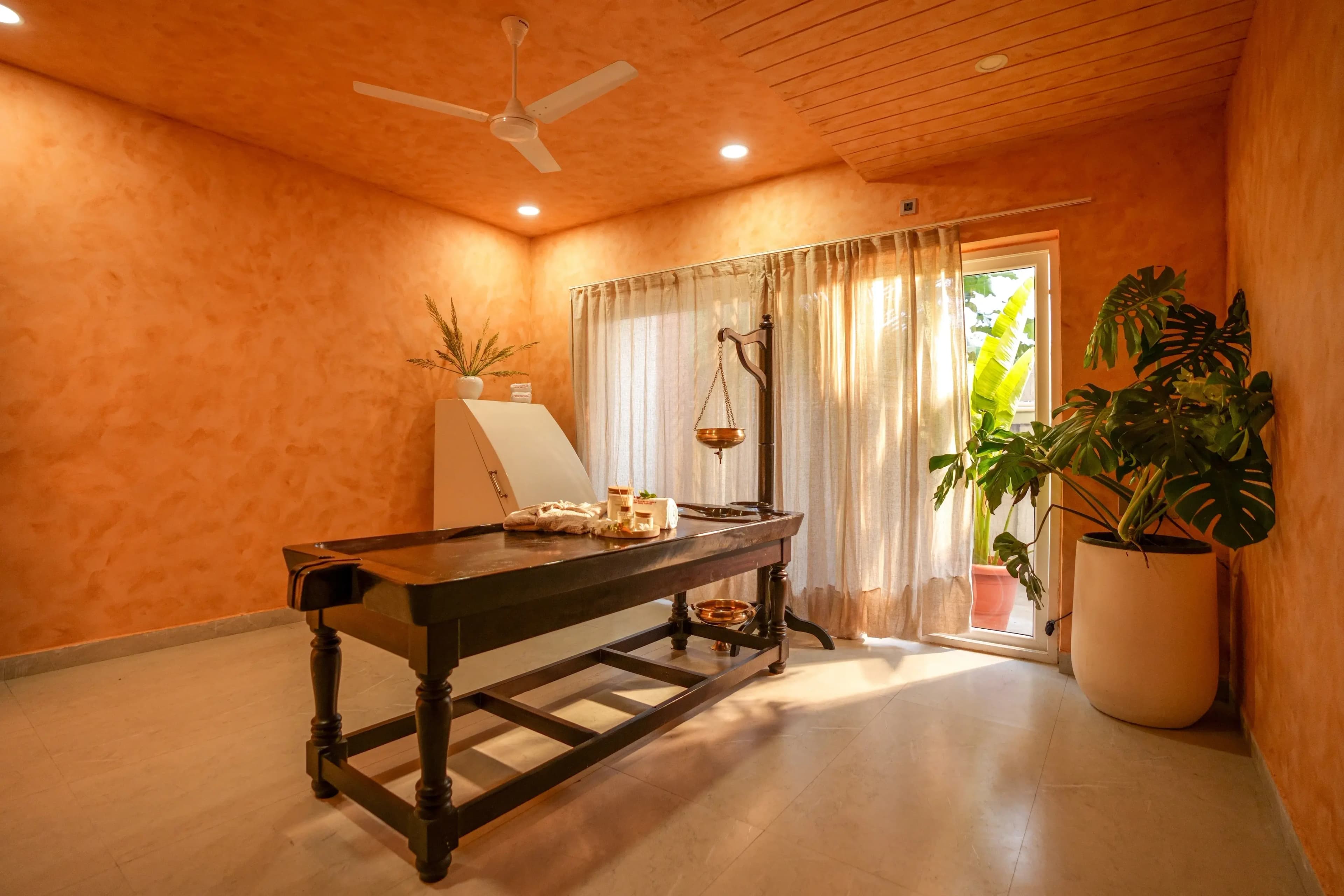
There are many natural sleep remedies naturopathy practitioners may consider as part of a wider wellness routine. Yoga, meditation, massage, hydrotherapy, aromatherapy and breathing practices can all create a calmer transition into rest.
The important point is that these therapies are not simply about forcing sleep. They can become part of a slower evening rhythm where the body gets some space to relax.
For someone wondering how to improve sleep quality naturally, that distinction matters. Better sleep is not always about finding something powerful enough to knock the mind out. Sometimes it is about making the hours before sleep less demanding.
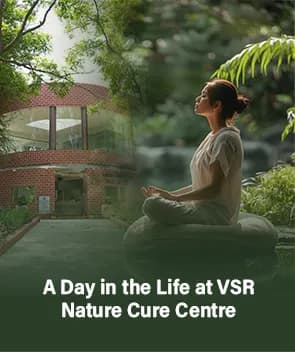
At VSR Vriksha, we have created a residential naturopathy retreat in Hyderabad around the belief that healing should feel natural, gentle and personal. We designed the retreat across 12 acres within 50 acres of farmland, with tranquil surroundings, residential accommodation, yoga and meditation spaces, nourishing meals and personalised care.
Our approach brings together traditional natural therapies and modern equipment, with therapies such as yoga, massage, hydrotherapy, aromatherapy, acupuncture and diet therapy forming part of a broader wellness experience. More than 3,000 guests have been part of this journey, and the intention remains simple: creating a space where the body can slow down and wellbeing can be given proper attention.
At VSR Vriksha, we understand that sleep cannot always be separated from the rest of daily wellbeing. That is why our approach looks beyond the bedroom. Through mindful routines, natural therapies, personalised care and wholesome food, we create an environment where guests can step away from everyday noise and reconnect with their body's natural rhythm.
For those looking for a natural treatment for sleep disorders, this kind of setting can offer a chance to pause, observe existing habits and build healthier ones with guided support. The aim is not to promise an overnight fix, but to make space for more balanced routines.
Good sleep is often talked about as if it requires a perfect routine, expensive products or another wellness trend. In reality, the basics still matter.
A regular rhythm, daylight, nourishing food, movement, quiet evenings and time away from constant stimulation can all have a place in better sleep. Naturopathy adds another way of looking at these habits by considering the person and their daily environment as a whole.
Perhaps that is why sleep has become such an important part of wellness. It is not something extra to add to a healthy life. It is one of the things that quietly supports everything else.