Prediabetes can feel like an odd in-between stage. Blood sugar is higher than it should be, but diabetes has not quite arrived. There may not be any obvious symptoms either, which makes it easy to put off doing something about it.
But this is also the stage where small changes can matter a lot. A 90-day plan gives enough time to look at food, movement, sleep, stress and daily habits without trying to change everything overnight.
Insulin resistance simply means the body's cells are not responding to insulin as well as they should. The pancreas then has to work harder to keep blood sugar under control. For some time, this compensation works. Eventually, blood sugar can start creeping up.
This is why knowing what are the early signs of insulin resistance can be useful, even though there is no single symptom that confirms it. Increased hunger, tiredness after meals, difficulty losing weight and cravings can sometimes appear, but blood tests are far more useful than trying to judge it from symptoms alone.
The first part of a 90-day plan is therefore not about finding a miracle treatment. It is about understanding the person's blood sugar, weight, eating pattern, activity level and other health factors.
Food usually becomes the easiest place to begin. That does not mean living on salads or giving up every food that tastes good. It means looking at what is actually happening across a normal day.
A breakfast made mainly of refined carbohydrates may leave someone hungry again quite quickly. So the question of what should a prediabetic eat for breakfast in India has a fairly practical answer: meals with protein, fibre and less refined carbohydrate tend to make more sense. Eggs, vegetables, dal-based dishes, unsweetened curd, sprouts or other balanced combinations can be considered depending on individual needs.
Portion sizes matter too. So does eating at reasonably regular times. A little more walking after meals can also be surprisingly useful. Nothing dramatic is required at first.
Once food becomes more manageable, movement can be built into the day. Walking, yoga, light strength work or other enjoyable forms of exercise can help the body use glucose more effectively. The important part is consistency rather than choosing the hardest workout available.
Stress and sleep deserve attention here as well. Poor sleep can make hunger and cravings harder to manage, while constant stress can make healthy routines feel much more difficult to maintain.
This is where an integrated approach can be different from simply being handed a diet chart. The idea is to look at the whole routine rather than treating blood sugar as an isolated number.
Ayurveda and naturopathy may be considered as complementary approaches alongside appropriate medical care. They can include personalised food plans, yoga, relaxation practices, hydrotherapy and other therapies, depending on the person's condition.
That does not mean replacing prescribed diabetes medication without medical advice. The question of Ayurveda vs metformin for prediabetes should not really be treated as a simple either-or choice. Metformin is a medicine with established uses, while Ayurvedic or naturopathic care may focus more broadly on diet, activity and lifestyle. A doctor can help decide what is appropriate.
For someone searching for a naturopathy treatment for diabetes, the same caution applies. Blood sugar still needs proper monitoring, especially if medicines are already being taken.
Looking at the right ayurvedic treatment for diabetes can provide additional lifestyle guidance, provided it complements rather than replaces conventional advice.
At VSR Vriksha, we look at metabolic health as more than just a blood sugar reading. We combine naturopathy, yoga, meditation, physiotherapy and personalised food and daily routines as part of an integrated residential wellness approach. The centre has served 3,000+ clients and delivered more than 84,000 therapies, with clients from India and abroad.
For someone looking for the best diabetes wellness program near Hyderabad, the more useful question may be whether the programme actually looks at food, movement, stress and daily habits together, rather than simply offering a list of therapies.
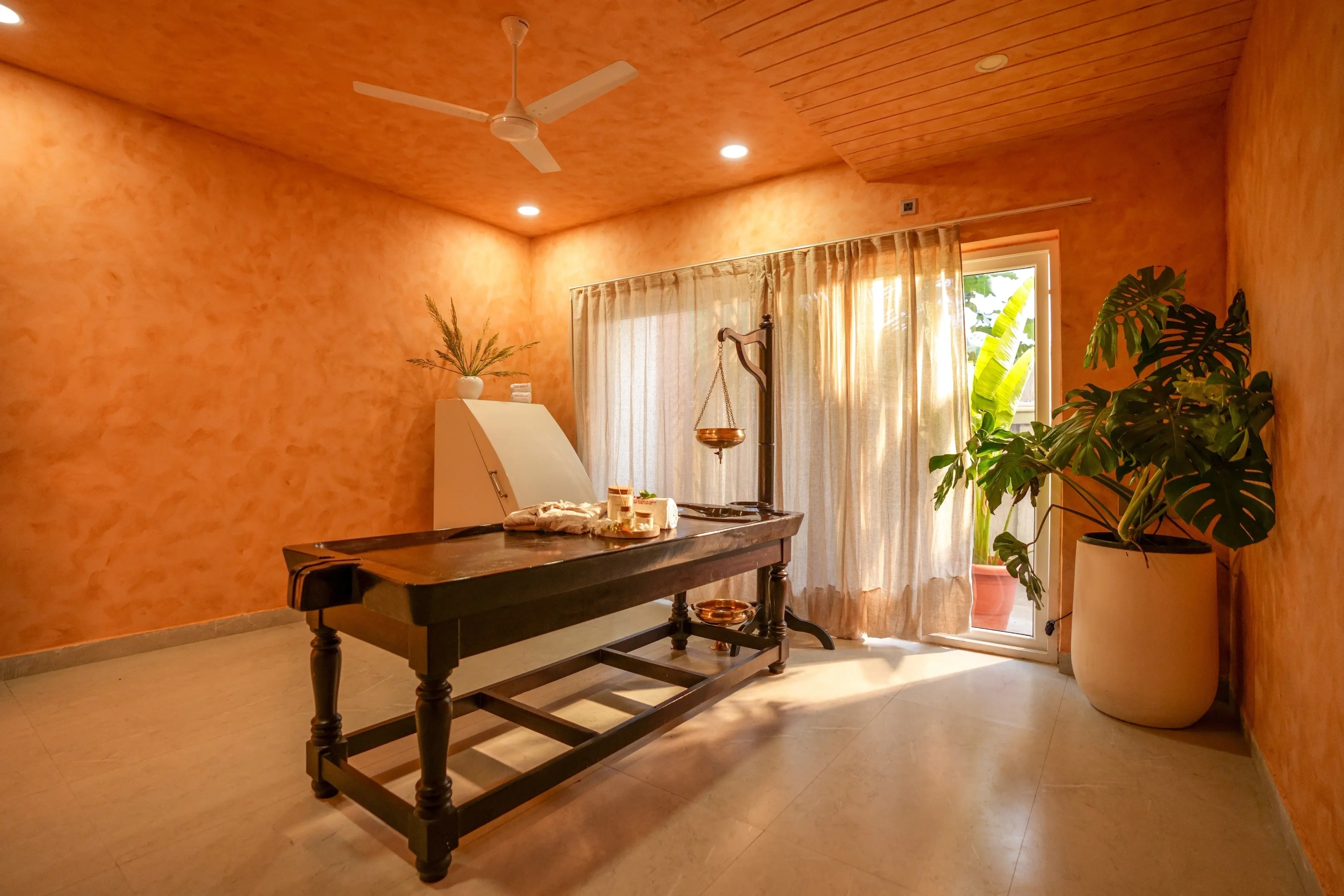
At VSR Vriksha, care can be tailored around concerns such as insulin resistance, diabetes, obesity and other metabolic conditions. Our approach may include diet therapy, yoga and exercise, hydrotherapy, acupuncture and massage, depending on individual requirements.
The aim is not to promise that every person can stop medication or “cure” diabetes naturally. It is to create a structured setting where healthier routines can be understood, practised and monitored with appropriate professional guidance.
By the third month, the focus changes slightly. The question becomes: can these habits continue once the 90 days are over?
That might mean learning which meals keep energy steadier, finding a form of exercise that can actually be continued, sleeping at more regular hours and knowing when blood sugar needs to be checked. For some people, a supervised residential setting can make this easier to establish.
Terms such as diabetes reversal retreat in India with doctor supervision can sound appealing, but supervision and realistic expectations matter more than the label. Prediabetes is not a reason to panic, and it is not something to ignore either.
There is no single 90-day formula that works for everyone. Some people need more medical input, some need help with food, and others struggle most with inactivity, sleep or stress.
The useful part of an integrated plan is that all of these pieces can be looked at together. Prediabetes can be an early warning, but it can also be a chance to understand what the body has been trying to say before the problem becomes harder to manage.
—--------------------