Water can do some surprisingly simple things for the body. Warm water can relax tight muscles. Cold water can feel refreshing and may reduce the feeling of swelling or soreness. Steam brings heat and moisture together. In naturopathy, these basic effects are used in a more planned way through different forms of hydrotherapy.
That does not mean every water treatment works for every person. The interesting part is really how the temperature, duration and part of the body being treated can change the experience.
Hydrotherapy means using water for therapeutic purposes. It may involve hot water, cold water, steam, pressure, baths or wet applications. The idea is fairly straightforward: water and temperature can influence circulation, muscle tension, relaxation and the way the body feels.
This is where the hydrotherapy benefits in naturopathy become easier to understand. Rather than treating water as a cure by itself, naturopathy often uses it as one part of a wider routine that may include food, rest, yoga, exercise and other therapies.
For someone dealing with muscle stiffness or general tiredness, a warm treatment may simply feel relieving. For another person, a carefully supervised cold application may be more suitable. The treatment needs to make sense for the person, rather than the other way around.
A hip bath is exactly what it sounds like, although the treatment is more specific than simply sitting in a bathtub. The person sits in water that generally reaches around the hips and lower abdomen, while the rest of the body stays outside.
Depending on the purpose, the water may be warm or cool. A warm hip bath can feel relaxing around the lower back, hips and abdominal area, while cooler water creates a very different sensation.
This is also why it is difficult to answer hot vs cold hydrotherapy which is better for pain with one simple choice. Heat and cold have different effects, and the right option depends on the person's condition and the treatment plan.
A spinal bath focuses on the back, with water applied around the spine while the person is positioned comfortably. The temperature and length of the treatment can vary.
It may sound like a very specialised procedure, but the experience itself can be quite simple. The warmth of the water can help the body settle, especially when the back and surrounding muscles feel tense.
It is worth keeping expectations realistic, though. A spinal bath is not a replacement for medical treatment when there is a serious spinal problem. In naturopathy, it is generally used as one supportive therapy within a larger plan.
Steam therapy does not involve sitting in water. Instead, the body is exposed to warm, moist air for a controlled period. The heat can make a person sweat and may leave muscles feeling looser afterwards.
Some people find steam particularly relaxing when they feel physically tired or tense. It can also be part of a broader hydrotherapy routine.
Still, more heat is not automatically better. Staying in steam for too long can cause dizziness, dehydration or discomfort. This is one reason supervised treatment makes more sense than simply trying to recreate an intense session at home.
Water-based treatments are often considered for problems involving muscle tension, joint discomfort and some forms of chronic pain. They may also be used alongside other therapies during rehabilitation.
That brings up the common question of hydrotherapy vs physiotherapy for chronic pain. They are not really competing treatments. Physiotherapy focuses on movement, strength, function and rehabilitation, while hydrotherapy may be used to relax muscles, ease discomfort or support movement. In some cases, the two can work alongside each other.
The important thing is to understand what is actually causing the pain. Persistent or severe pain needs proper assessment rather than repeated baths or steam sessions without knowing the reason behind it.
For anyone wondering what happens during a naturopathy hydrotherapy session, it usually starts with understanding the person's health, symptoms and treatment goals. The therapist then chooses the appropriate water treatment, temperature and duration.
The session itself may be quiet and fairly uneventful. That is not a bad thing. A hip bath, spinal bath or steam treatment is usually about giving the body a controlled physical stimulus rather than creating a dramatic experience.
At VSR Vriksha, we look at hydrotherapy as part of personalised naturopathy care rather than an isolated treatment. Our residential centre combines naturopathy, physiotherapy, yoga and meditation, with therapies and routines planned around individual needs.
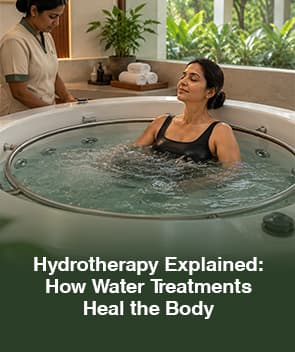
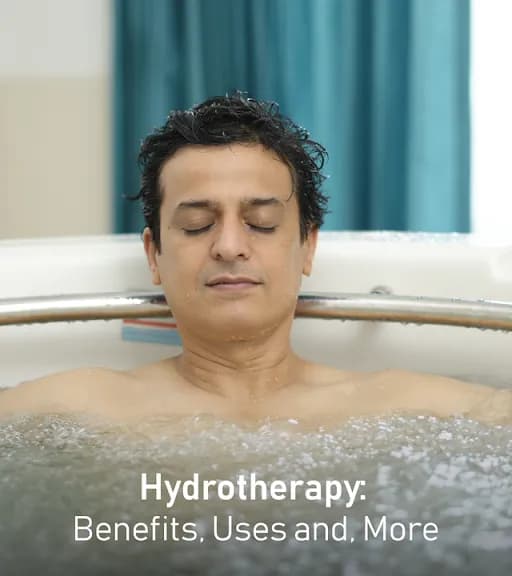
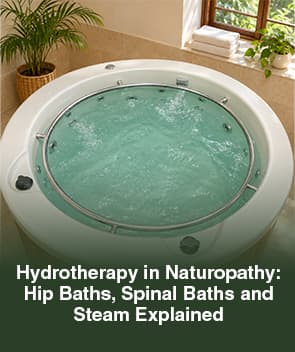
At VSR Vriksha, we bring the therapeutic use of water into a broader nature-based setting. We offer different hydrotherapy approaches, including steam baths, whirlpool baths, packs and other water-based applications, depending on the individual's needs.
With 3,000+ clients served and more than 84,000 therapies delivered, our focus is on providing structured care in a calm residential environment. We also work with clients from different parts of India and abroad.
Searching for a naturopathy centre with hydrotherapy near Hyderabad can bring up many choices, but the treatment itself is only part of the picture. It is worth looking at whether the centre provides proper assessment, trained professionals and a treatment plan instead of offering the same therapy to everyone.
For someone considering a longer wellness stay, the search for the best naturopathy retreat in South India with water therapies may also come down to the overall approach. A peaceful setting is useful, but personalised care and sensible supervision matter more.
Hydrotherapy can seem complicated because there are so many names for different treatments. At its heart, though, the idea is quite simple: use water, temperature and sometimes steam in a controlled way to support the body's comfort and recovery.
Hip baths, spinal baths and steam treatments each offer something different. None needs to be treated as a miracle therapy. Used thoughtfully, and alongside appropriate care, they can be a useful part of naturopathy.
At VSR Vriksha, the aim is to use these therapies as part of a wider approach to wellbeing, where water is one piece of the picture rather than the whole picture.
—----------------------