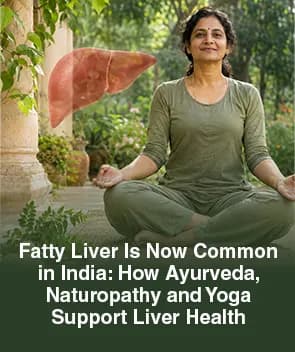
Fatty liver is one of those health problems that can quietly sit in the background for a long time. There may be no obvious pain, no major warning, and sometimes not even a reason to think something is wrong. Then a routine scan or blood test brings it up.
It is also no longer something people associate only with drinking alcohol or being overweight. Fatty liver can happen for many reasons, including food habits, low activity, metabolic changes, and even in people who look quite slim. This is why understanding what the liver needs, rather than simply looking for a quick fix, matters.
Modern life has made some things easier and some habits worse. Long hours of sitting, frequent eating outside, sugary drinks, highly processed food and irregular sleep can slowly affect the way the body handles fat and sugar.
Weight can play a role, but it is not the whole story. The fatty liver in thin people can include insulin resistance, poor diet, lack of exercise, genetics and certain health conditions. So, simply being thin does not automatically mean the liver is healthy.
This is also why fatty liver deserves attention even when a person feels perfectly fine. The liver does not always complain early.
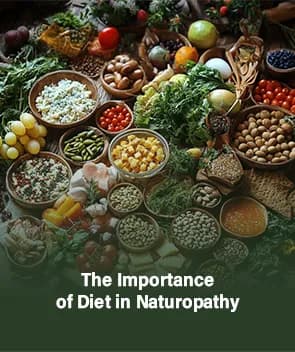
There is no single magical food that cleans the liver overnight. What matters is what regularly appears on the plate.
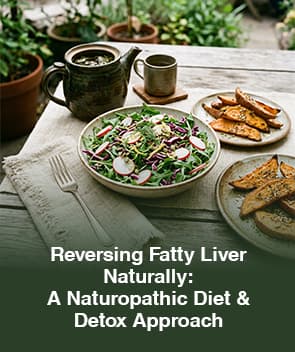
When thinking about a fatty liver diet, what to eat and avoid, it helps to keep things simple. More vegetables, whole foods, fibre-rich foods and sensible portions can make everyday eating easier on the body. Sugary drinks, excess sweets, heavily processed foods and frequent overeating are worth cutting back on.
The aim is not to follow an extreme diet for a few weeks and then return to old habits. Food has to become something the body can live with comfortably.
Ayurveda looks at health through the broader picture of digestion, food, daily routine and balance. For someone dealing with fatty liver, this can be useful when it is used thoughtfully and alongside proper medical evaluation.
Herbal preparations or Ayurvedic therapies should not be started casually just because they are called natural. The liver processes substances that enter the body, including herbs and supplements. So professional guidance matters.
The same applies to naturopathy for fatty liver. Naturopathy usually focuses more on food, daily habits, movement, rest and non-invasive therapies rather than trying to cover up the problem with one treatment.
Yoga may seem unrelated to liver health at first, but regular movement is an important part of managing fatty liver. Gentle yoga, active postures and breathing practices can make physical activity feel more approachable, especially for someone who finds conventional exercise difficult.
This is where yoga for fatty liver can have a practical place. It is not about expecting a few postures to remove liver fat. It is about building movement into everyday life, while also working on stress, sleep and general wellbeing.
Even a simple routine done consistently is usually more useful than an ambitious routine that lasts for five days.
Food does not exist in isolation. Digestion, bowel habits, eating patterns and overall metabolism are all part of the same picture. Persistent bloating, constipation, acidity or irregular eating may not directly mean fatty liver, but they can be signs that everyday habits need a closer look.
At VSR Vriksha, we look at digestive health as part of a person's wider wellbeing. Our naturopathy-based gastrointestinal care includes personalized food guidance, lifestyle changes, hydrotherapy and yoga therapy, depending on individual needs.
At VSR Vriksha Nature Cure Centre, we offer an integrated residential wellness setting that brings together naturopathy, yoga, meditation and physiotherapy. We have served 3,000+ clients and delivered 84,000+ therapies, with clients from different parts of the world.
For someone considering a residential lifestyle program for fatty liver in India, the useful part may simply be having time away from the usual routine. Regular meals, guided therapies, movement and rest can make it easier to understand which habits actually work for the individual.
One question naturally comes up: how long does it take to heal a fatty liver naturally?
There is no honest single answer. It depends on what caused the fatty liver, how advanced it is, what changes are made and whether those changes are maintained. Some people may see improvements in a matter of months, while others need longer and closer medical follow-up.
“Natural” should not mean ignoring scans, blood tests or a doctor's advice. A sensible approach can include medical monitoring along with changes in food, movement, sleep and lifestyle.
If professional guidance is needed, searching for fatty liver treatment in Hyderabad can bring up very different kinds of care, so it is worth looking beyond the name of a treatment. What matters is whether the approach considers the person's food habits, activity, digestion, existing health conditions and overall routine.
For someone specifically looking for the best place for natural fatty liver treatment near Hyderabad, VSR Vriksha is one option to look at. It is a residential nature cure centre offering naturopathy, yoga, meditation and other supportive therapies in a structured setting.
Fatty liver does not usually come from one bad meal or one lazy week. In much the same way, it cannot always be changed by one treatment either.
The more sensible path is usually to look at the everyday picture: what is being eaten, how much the body moves, how digestion is functioning, how sleep is going and whether professional guidance is needed. Ayurveda, naturopathy and yoga can support that process, but they work best as part of a thoughtful overall approach rather than as quick cures. For persistent or worsening liver problems, proper medical evaluation should always remain part of the picture.
—----------------------------
Explore how Ayurveda, naturopathy, yoga and dietary changes can support liver health and fatty liver management at VSR Vriksha, Hyderabad.