Water is such an ordinary part of daily life that its use in healing can sound a little surprising. A warm bath after a tiring day feels good, of course, but hydrotherapy goes beyond simply relaxing in water. It uses different temperatures, pressure, steam, baths and water-based applications for specific purposes.
The basic idea is fairly simple. Water can affect circulation, muscles, joints and the nervous system depending on how it is used. So, what is hydrotherapy in naturopathy? In simple terms, it is the use of water as part of a natural care approach, usually alongside other naturopathy practices.
Hydrotherapy is not just about sitting in warm water. Hot and cold water can create very different responses in the body, while steam and water pressure add another layer to the treatment.
Warm water can help muscles loosen and may make stiff joints feel easier to move. Cold applications are often used to cool an area and may help with swelling or discomfort. Steam brings heat and moisture together, while water pressure can gently massage the body.
This is why a proper hydrotherapy session usually depends on what the person needs rather than using one treatment for everyone.
Some common approaches include:
One interesting thing about hydrotherapy is how many forms it can take. It does not always look like a conventional bath.
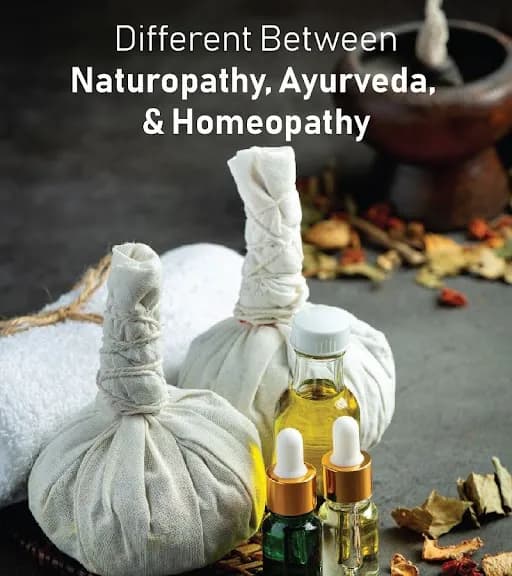
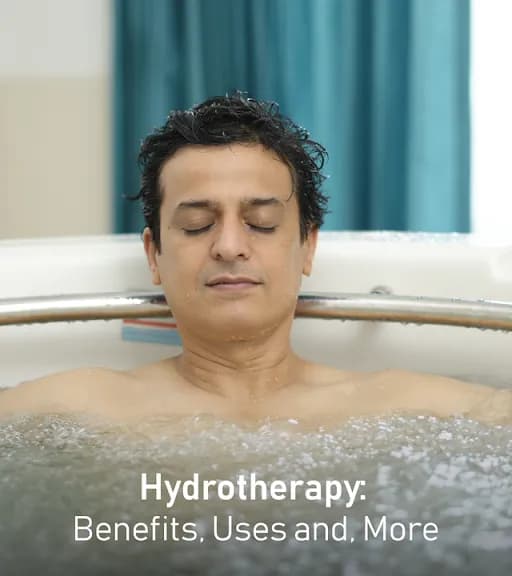
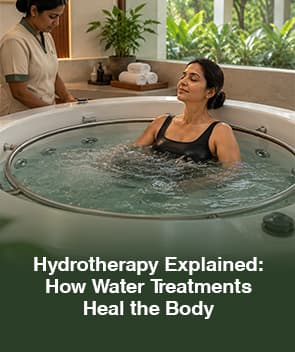
A hip bath and spinal bath therapy session, for example, uses water around particular areas rather than immersing the entire body. Packs may involve wrapping a part of the body with a wet cloth for a set period. Whirlpool treatments use moving water, while sauna and steam treatments rely mainly on heat.
The treatment also needs some care. Very hot water is not automatically better, and cold water is not suitable for everyone. Temperature, duration and the person's condition all matter.
The hydrotherapy benefits are often connected to comfort, movement and relaxation rather than some dramatic overnight change. Warm water may help tired or tight muscles relax. Certain applications may also support circulation and ease the feeling of stiffness.
Hydrotherapy is sometimes included in care plans for concerns such as:
It should still be seen as a supportive therapy. A health condition that needs medical assessment should not be treated with water alone.
The temperature of the water is probably one of the most important parts of hydrotherapy. Warm water tends to feel soothing and can make movement more comfortable. Cold applications create a very different sensation and may be used for particular areas or purposes.
Steam and dry heat are also used in some naturopathy settings, although they are not exactly the same as being immersed in water.
The important part is that treatment is selected with some thought. A person with joint stiffness may need something quite different from someone recovering from physical strain. That is where guided hydrotherapy makes more sense than simply trying random water treatments at home.
Hydrotherapy at VSR Vriksha is part of a broader naturopathic approach to wellness, where water-based therapies are combined with other supportive practices rather than used on their own. As a residential wellness centre, we bring together naturopathy, physiotherapy, yoga and meditation, creating personalised routines based on each client’s needs.
With experience across 70+ ailments, VSR Vriksha has cared for 3000+ clients and provided more than 84,000 therapies to people from India and around the world. Depending on individual requirements, the programme may include sauna baths, steam baths, therapeutic packs, whirlpool baths and other water-based treatments, alongside suitable naturopathic therapies and daily wellness practices.
It is easy to look at a list of naturopathy therapies and assume that every treatment works in the same way. Water therapy is actually quite specific.
For some people, a warm application may be useful. Someone else may be advised to use a cold application or a particular bath. The duration and temperature matter too.
At VSR Vriksha, we look at the person's needs before including hydrotherapy as part of care. The aim is to use the treatment appropriately rather than simply choosing the most relaxing option.
Hydrotherapy can be gentle, but that does not mean every treatment is suitable for every person. Certain medical conditions, medications or sensitivity to heat and cold can affect which applications are appropriate.
That is why professional guidance can be useful, especially when hydrotherapy is being considered for an existing health concern. A treatment should feel controlled and comfortable, not extreme.
For anyone searching for hydrotherapy treatment in Hyderabad the setting and supervision matter just as much as the treatment name.
Hydrotherapy is really about using one simple natural element in different ways. Warmth, cold, pressure, steam and immersion can each create a different response in the body. That makes water therapy less about one particular bath and more about choosing the right application for the situation.
At VSR Vriksha, we use hydrotherapy as part of a broader naturopathy approach, alongside other therapies and daily wellness routines. For someone looking at natural care, understanding what the treatment actually involves is a useful place to begin.
Hydrotherapy does not need to be complicated. It simply uses water, heat, cold, steam or movement in a planned way to support comfort and physical well-being. The treatment can take several forms, from baths and packs to whirlpool and steam therapies. What matters most is using the right approach for the individual rather than assuming one water treatment fits everyone.
—------------------------